
Turning Lived Experience Into Action
The Khalid Jabara Foundation works to prevent hate crimes and build safer, more connected communities through education, awareness, and advocacy.
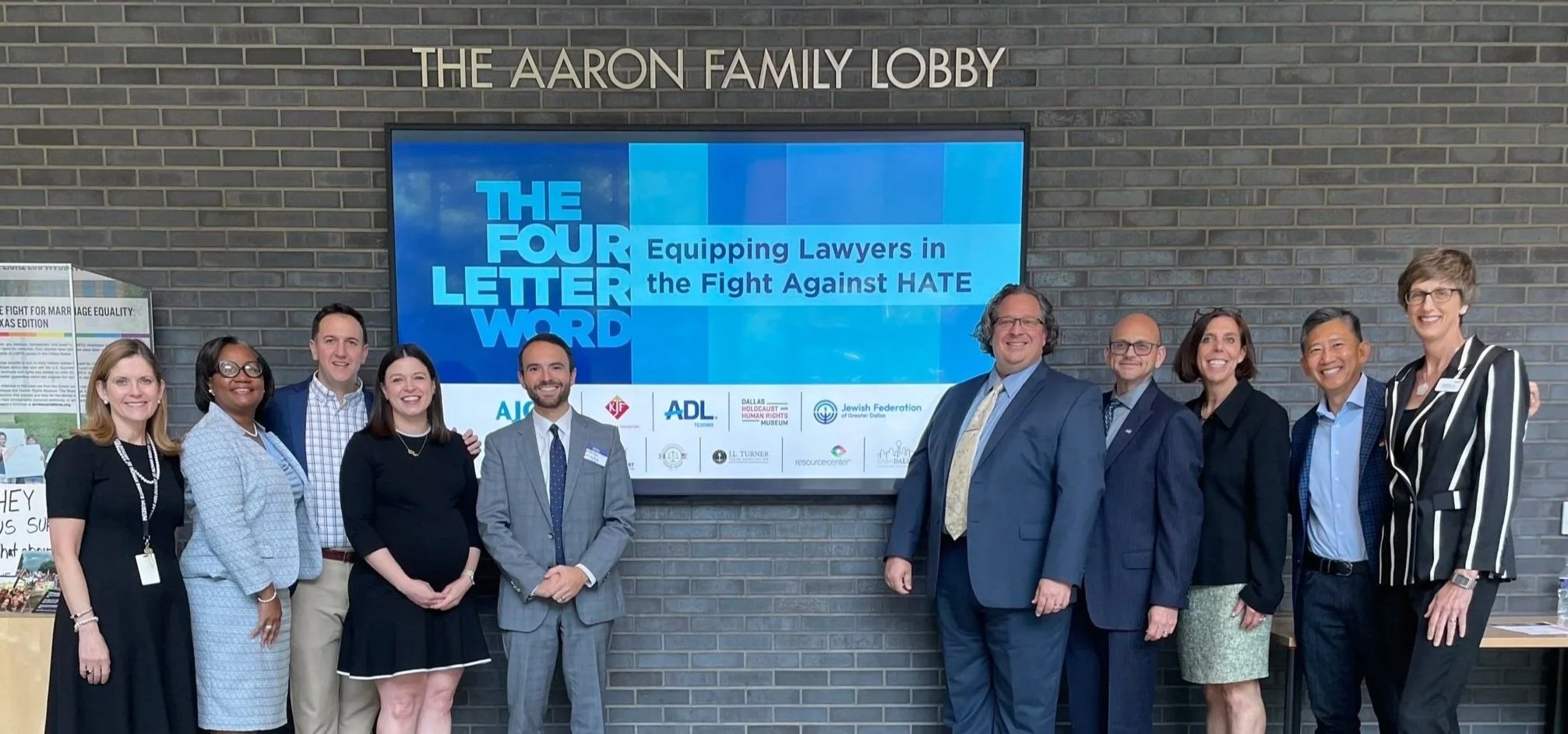
The Khalid Jabara Foundation’s work is rooted in lived experience. In 2016, the Jabara family lost their son and brother, Khalid Jabara, to a violent hate crime. What followed revealed deep gaps in how hate crimes are recognized, reported, and addressed. The Foundation exists to help close those gaps and to ensure other families are not left navigating the same failures alone.
-
Education & Training
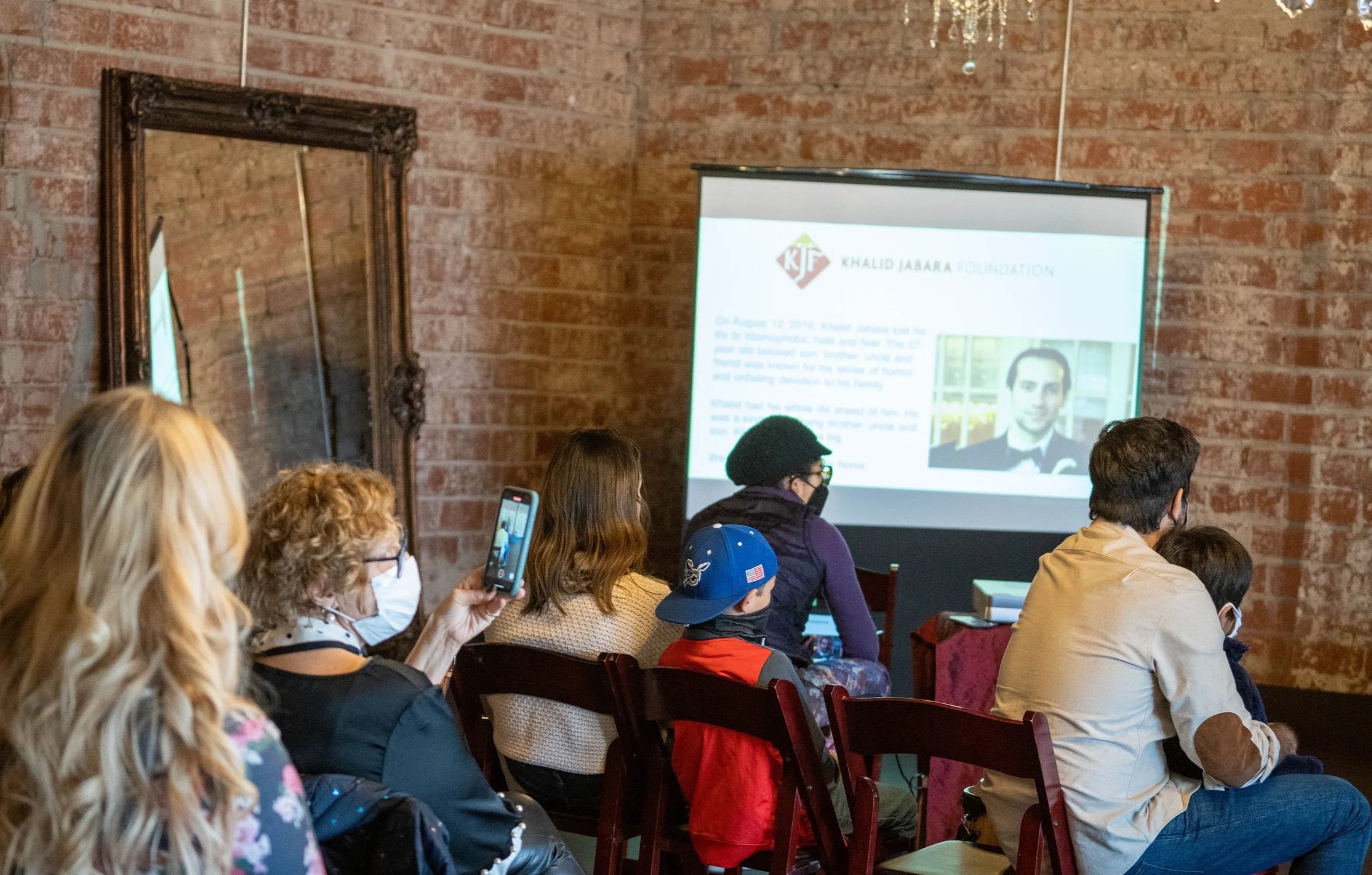
We engage with law enforcement, prosecutors, civic leaders, educators, and community organizations to share real-world lessons from our hate crime experience.
Our education work includes:
• Training on identifying and accurately classifying hate crimes
• Conversations on victim impact and community trust
• Practical guidance informed by lived experience, not theory
• Speaking engagements and workshops for professional and public audiences
Our goal is not to blame. It is learning, accountability, and better outcomes for victims and communities.
-
Storytelling for Systemic Change
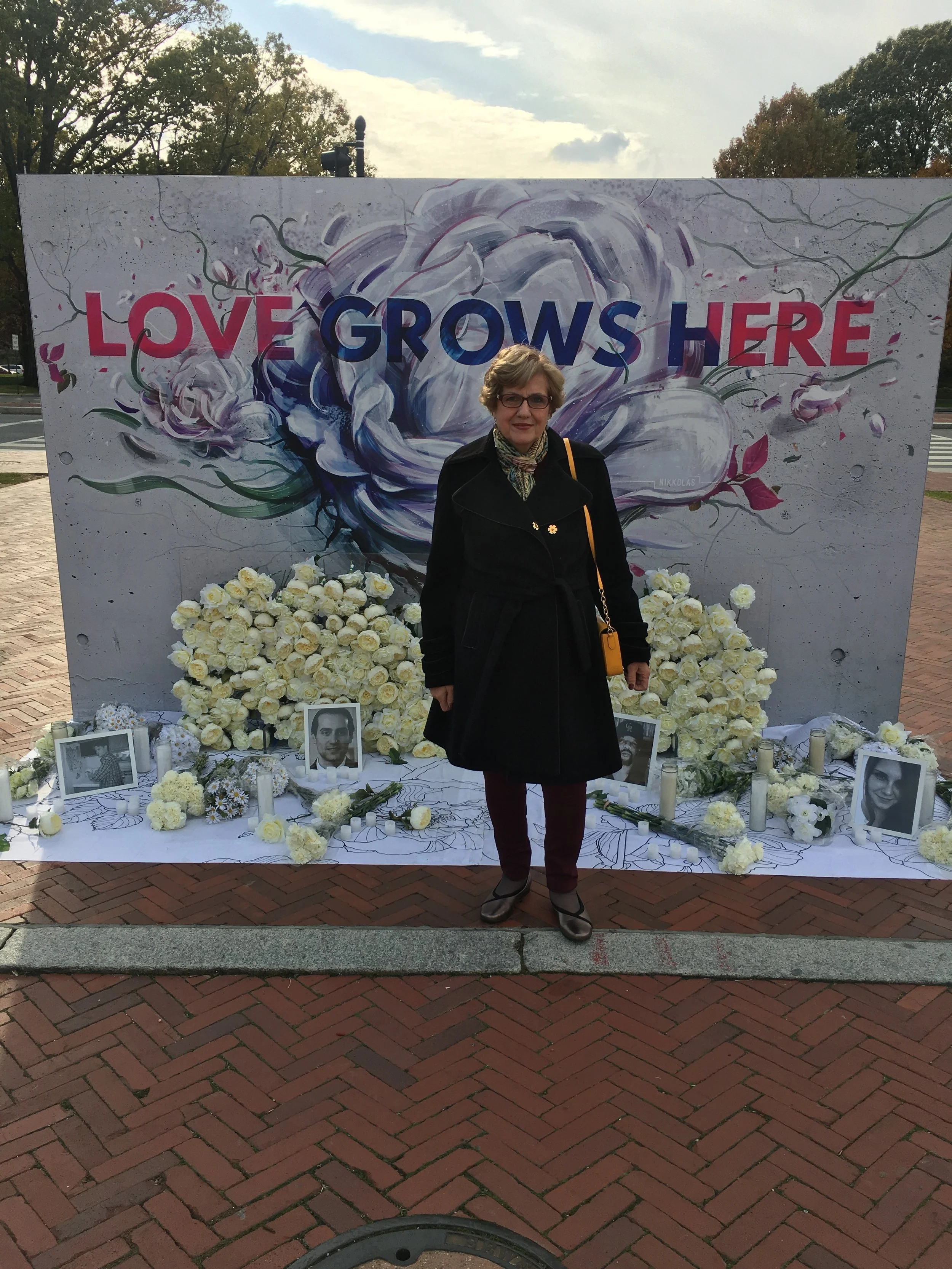
We believe storytelling is a powerful tool for change. By sharing Khalid’s story and our family’s experience, we help audiences understand how hate crimes unfold and how systems can fail without proper awareness and training.
We speak with law enforcement agencies, government entities, schools, and community groups to help translate lived experience into meaningful improvements in policy, practice, and culture.
-
Advocacy & Policy Reform
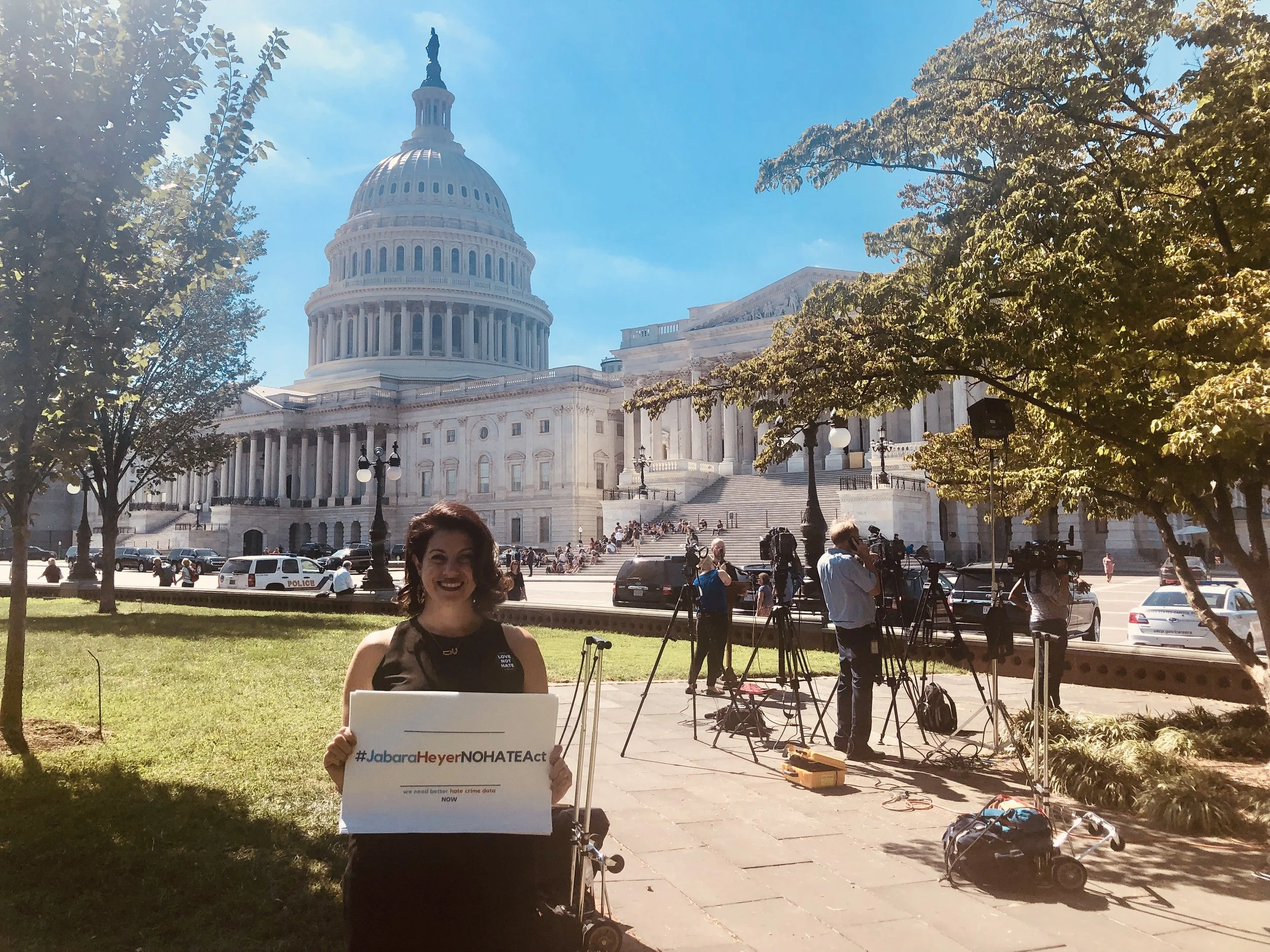
We advocate for stronger laws and policies that accurately and consistently address hate crimes. Our work helped lead to the passage of the Jabara-Heyer No Hate Act, federal legislation designed to improve hate crime reporting and provide resources for training and data collection.
Beyond legislation, we focus on long-term change.
Our advocacy work focuses on:
• Improving hate crime recognition and reporting
• Supporting policies that center victims and communities
• Building partnerships that prevent future harm