
Jabara-Heyer No Hate Act
Turning Loss Into National Action
The Jabara-Heyer No Hate Act is a federal law created to strengthen how hate crimes are identified, reported, and addressed across the United States.
Named in honor of Khalid Jabara and Heather Heyer, the Jabara-Heyer No Hate Act was born out of loss, advocacy, and the recognition that hate crimes are too often misunderstood, misclassified, or overlooked altogether.
For families and communities impacted by hate, accurate recognition matters. Without it, violence rooted in bias remains invisible and unaddressed. This law exists to change that by giving communities the tools they need to respond with clarity, consistency, and care.
Accurate hate crime reporting is essential for accountability, prevention, and community safety. Without reliable data and proper classification, bias-motivated violence remains hidden and unaddressed. The Jabara-Heyer No Hate Act helps close these gaps by giving communities the tools they need to respond more effectively and humanely to hate crimes, while honoring the lives that inspired the law.
-
Why This Law Matters
Hate crimes affect more than individuals. They impact families, neighborhoods, and entire communities. Yet for years, gaps in training, reporting systems, and resources have made it difficult to fully understand the scope of bias-motivated violence.
The Jabara-Heyer No Hate Act helps close those gaps by focusing on:
• Accurate identification of hate crimes
• Better data and reporting systems
• Stronger responses that center victims and communities
At its heart, the law is about visibility, accountability, and prevention.
-
A Moment of Unity
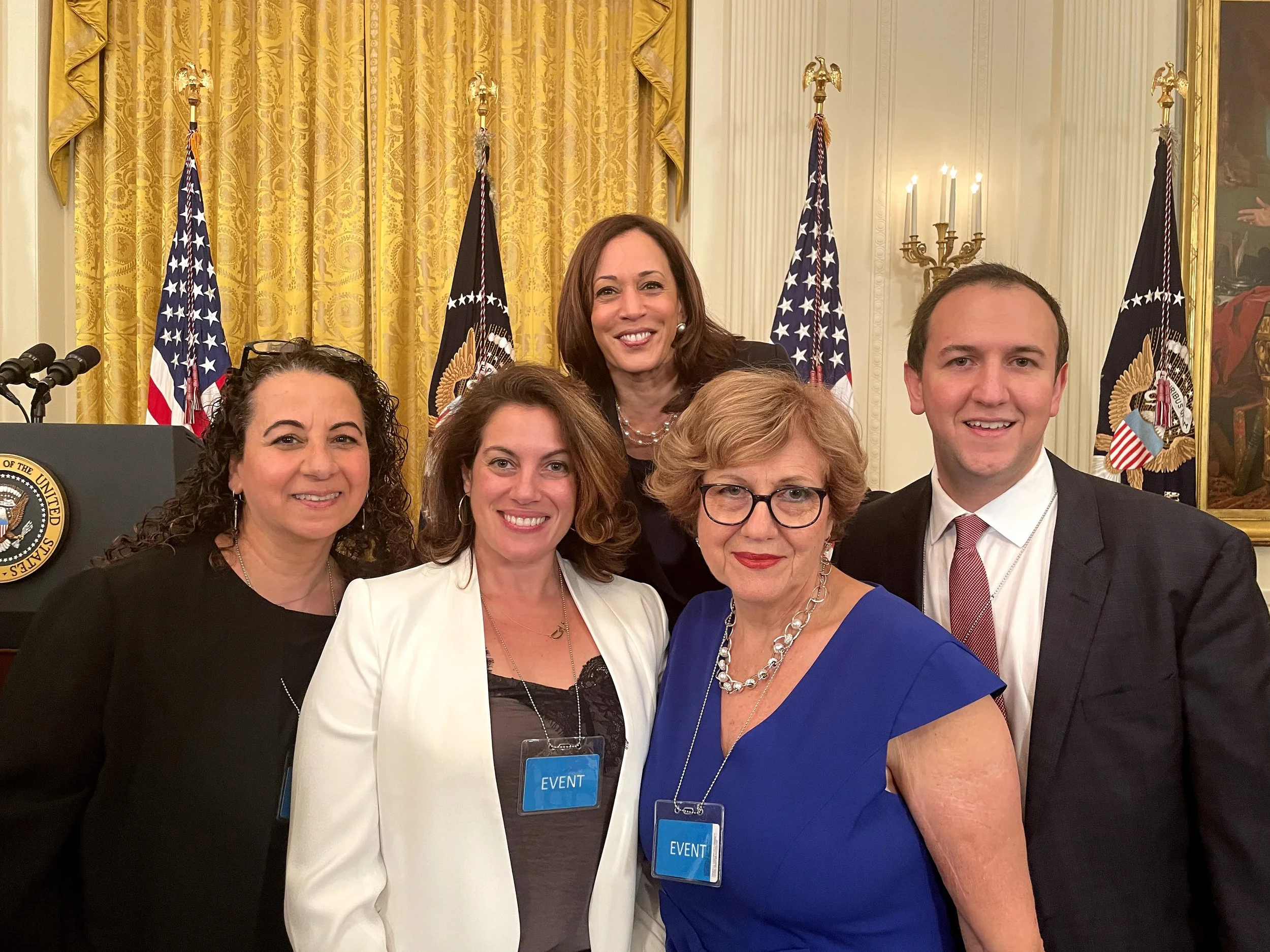
The passage of the Jabara-Heyer No Hate Act was meaningful not only for what it does, but for how it came to be. Lawmakers from both parties came together around a shared belief: hate crimes must be taken seriously, documented properly, and addressed with intention. When the House voted to approve the legislation as part of a broader hate crimes package, it passed in a bipartisan vote of 364 to 62, showing broad support across the political spectrum.
That bipartisan support sent a powerful message. Preventing hate and protecting communities is not a partisan issue. It is a human one.
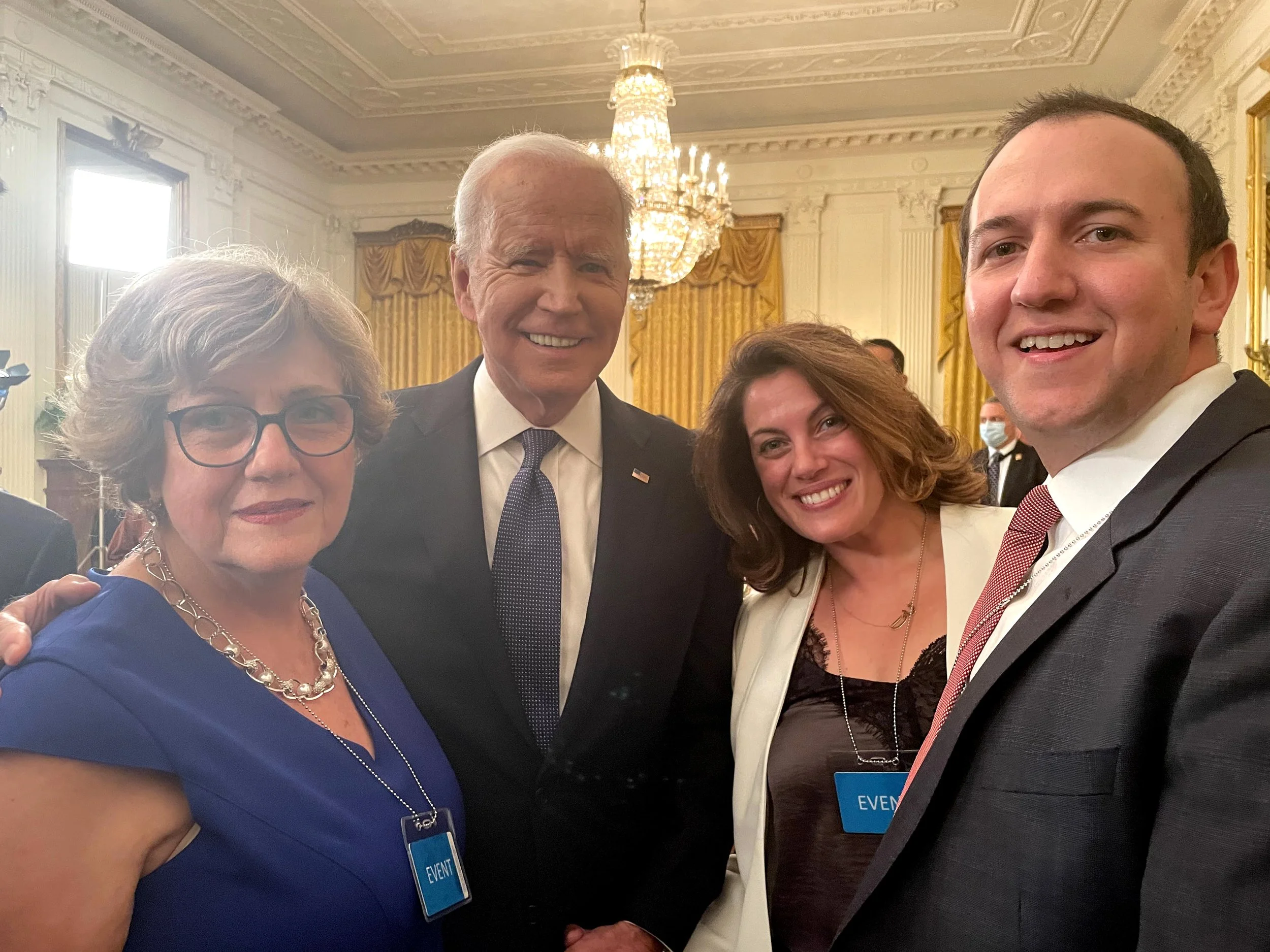
The law was signed into law in May 2022 by President Joe Biden, marking an important national commitment to addressing bias-motivated violence.
-
What the Law Does
The Jabara-Heyer No Hate Act authorizes the U.S. Department of Justice to award grants that strengthen hate crime reporting and response nationwide.
The law supports:
• Training for law enforcement on identifying and classifying hate crimes
• Improved data collection and reporting systems
• State-run hate crime reporting hotlines
• Collaboration between law enforcement, victim advocates, and community organizations
These efforts help ensure incidents are recognized accurately and that victims are connected to appropriate resources and support.
Funding & Impact
How the Law Is Funded
Since enactment, the Department of Justice has made millions of dollars available through grant programs authorized by the Act, including:
Up to $10 million in early funding rounds
Proposed funding of up to $20 million annually in subsequent federal budget discussions
Where the Funds Go
Grant funding has been directed to:
State and local law enforcement agencies
State governments managing hate crime reporting programs
Partner organizations supporting victims and community outreach
What the Funding Supports
Funding under the Act has been used to:
Improve law enforcement training and investigative practices
Upgrade reporting systems, including more detailed incident-based reporting
Establish and expand state hate crime reporting hotlines
Strengthen coordination between law enforcement and victim-support service